Introduction
Over the last decade, rapid evolution in the gaming industry has given players all sorts of new ways to enjoy their favorite titles. Among the most grounded interest around gaming is on Nintendo switch ROMs. Common context of these digital files are game backups, preservation and console emulation.
With the evolution of technology, tons of players want to know how digital copies of games work and why they are a primary point of conversation in gaming. If you care about preserving ancient games, or learning how emulation works, or what is actually happening when a game lives on digital storage, this topic teaches you everything you could ever want to know about where modern gaming is going.
What Are Nintendo Switch ROMs?
Nintendo Switch roms are digital versions of the data of video games that were once stored on physical cartridges or downloaded via official digital channels. The ROM file from a game is the required information for an emulator to be able to run it on a compatible computer system or bring it on another device.
ROM stands for “Read-Only Memory,” but in modern parlance, it usually refers to a complete copy of a game’s files. These things will often be came up in preservation, research, and testing communities for computers or game consoles.
No One Talks About Nintendo Switch ROMs — Why?
This is why the Nintendo Switch ROMs attract so many supporters, because they allow to save so much data for future generations. As time wears on physical media deteriorates and hardware becomes extinct, maintaining an archival copy of ones digital video game can have maintainability when we look back at the history of gaming.
Some frequent reasons for interest include:
- Game preservation
- Backup creation
- Emulation research
- Performance testing
- Accessibility improvements
- Academic study of gaming technology
Understanding Emulation
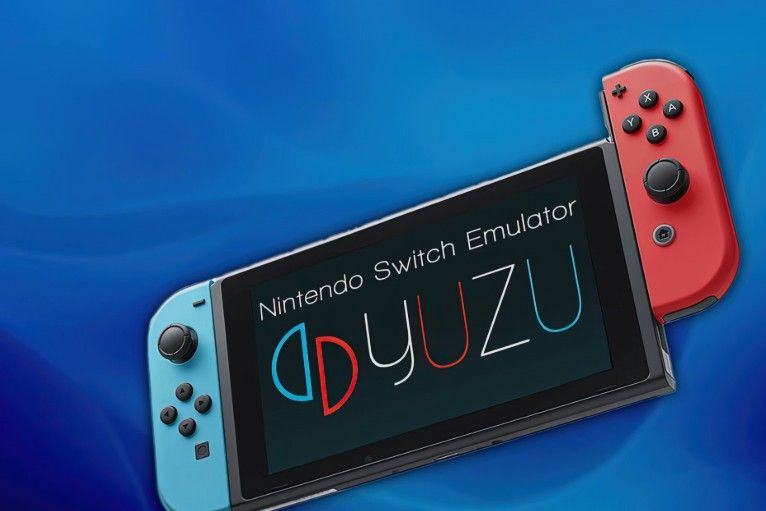
Emulation means the ability of one device to replicate the function or behaviour of another device. An emulator in gaming is a program that replicates the environment of one system on another physical platform, such as a console run-on PC or other supported platforms.
Key Components of Emulation
| Component | Purpose |
|---|---|
| Emulator Software | Simulates console hardware |
| Game Data | Contains game assets and code |
| Graphics Engine | Processes visual elements |
| Audio System | Handles sound output |
| Input Controls | Maps keyboard or controller actions |
Through emulation, players can break down game performance, examine the way the game was designed, and preserve retro gaming experiences.
Benefits of Digital Game Preservation
As gaming continues the trend of going digital, digital preservation has become a higher priority.
Major Benefits
| Benefit | Description |
|---|---|
| Historical Preservation | Protects gaming history |
| Research Opportunities | Supports educational studies |
| Accessibility | Helps preserve aging media |
| Long-Term Storage | Prevents data loss |
| Cultural Value | Maintains important gaming milestones |
Nintendo Switch ROMs are a cornerstone in what has become a wider push towards the careful archiving of gaming history for many preservationists.
Legal Considerations
Legality is one of the key elements when it comes to Nintendo Switch ROMs discussions. Copyright laws differ country-wise and ownership rights are tricky at times.
Key points include:
- Game developers retain copyright ownership.
- Sharing without authorization can infringe copyrights.
- Local laws may treat personal backups differently.
- Transmitting ROM files of standard games without the express consent from copyright holders occupies somewhat shaky legal ground.
As laws vary from one location to another, users should always know about any applicable regulations before working with game backup files.
Challenges Associated With Game Preservation
It’s a preservation, but not without its challenges.
Common Challenges
- Hardware compatibility issues
- File corruption risks
- Copyright restrictions
- Storage requirements
- Software maintenance needs
This entails challenges, which make preservation efforts more difficult than just storing the bits in digital files.
The Future of Game Preservation
And in the next few years, it is actually looking very bright for gaming preservation. Advances in storage technology, cloud infrastructure and digital archiving techniques are more cost–effective than ever, making it easier to access the history of gaming.
According to industry experts, we will only see further growth in:
- Digital archives
- Preservation projects
- Research initiatives
- Enhanced compatibility tools
- Long-term storage solutions
With the continual evolution of gaming technology, Nintendo Switch ROMs will likely continue to be a topic in preservation and emulation discussions.
Best Practices for Responsible Preservation
If you want to preserve your videogame collections, here are some things you should do:
Best Practices
- You may also like to keep the game’s original media whenever possible.
- Store backups securely.
- Keep multiple copies of important data.
- Follow local copyright regulations.
- Stay informed about preservation standards.
Doing so with responsibility keeps gaming history alive for generations to come.
Conclusion
Nintendo Switch ROMs are not just low-key info about switching games but also crucial points of gaming preservation, accessibility, and the technology to preserve pieces of digital history. By knowing the workings of these files, emulation purpose, and legality behind it users can make a better choice.
With every twist of the industry in gaming; preserving that little bit will be so important. With a responsible approach to digital game archiving, players can do their part and help ensure that some gaming experiences are preserved for the future.
Playing Games Blog PlayBattleSquare: A Complete Guide for Gamers
About the Author