Introduction
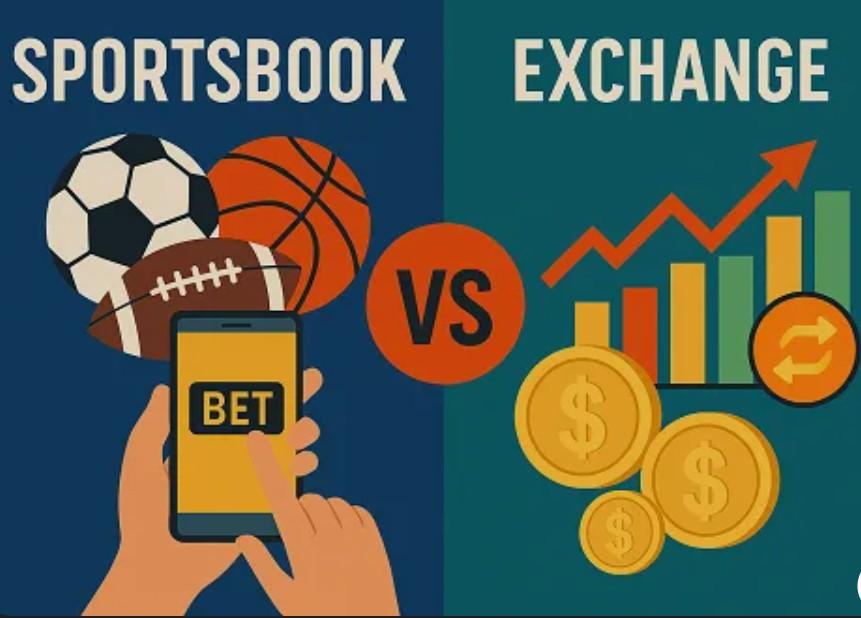
The world of online sports betting has evolved greatly over the years. Traditionally, most players bet through a bookmaker, who set the odds and took the action. Now a days we are seeing the emergence of exchange style platforms, which provide users with an alternative way to engage sports markets. That is why most people look for FunExchange vs Traditional Sportsbook because they want to know, which of these betting models provide freer, less cumbersome and more tailored experience to their style.
Both options have their work processes advantages. A standard sportsbook is basic and user-friendly. In this case, the users are more in control because an exchange model means user bet against each other rather than directly against the bookmaker But with this additional control comes a strong requirement to know at least something about odds, market movement, liquidity and risk.
What Is a Betting Exchange Platform
A betting exchange functions as a marketplace. Users make bets against other users than using a bet against a bookmaker. This guy is for and that guy is against.
So, you might have one user thinks it will win a team and the other user thinks it will not win It is an intermediary between the two, and can take a portion of winning bets as commission. This design enables greater flexibility within its odds and user empowerment.
What Is a Traditional Sportsbook?
The traditional sportsbook is the most well-known sports betting model. The sportsbook is what sets the lines, takes bets, keeps track of players’ individual risk levels and pays out the winners. Users just need to select a market, enter the odds given, and place their stake on the bet.
Definitive Model This model is simpler for novices since the bookmaker does everything ahead of time. You dont have to wait for another user prepare the bet that will match. Yet odds typically reflect the sportsbook margin — that is, how a bookmaker stays in the green long term.
Quick Comparison Table
| Feature | Exchange Model | Traditional Sportsbook |
|---|---|---|
| Betting Style | User vs user | User vs bookmaker |
| Odds Control | Market-based | Set by bookmaker |
| Profit Model | Commission on winnings | Margin built into odds |
| Ease of Use | Moderate | Very easy |
| Flexibility | High | Limited |
| Best For | Experienced users | Beginners and casual users |
| Bet Matching | Required | Not required |
| Promotions | Usually fewer | Often more bonuses |
Main Difference Between Both Models
The most notable difference in FunExchange vs Traditional Sportsbook is who you are waging your bet against. You are betting against the company when you visit a sportsbook. On an exchange, your bet gets matched with another user.
That difference enlightens every experience. You get convenience and simplicity out of a sportsbook. Freedom and Control_ An exchange gives it you. To casual users, a sportsbook might feel easier. An exchange may seem like a more powerful tool for more experienced users.
Odds and Pricing
Odds are a critical element of betting. Odds are set by the bookmaker through a sportsbook. These prices usually carry a margin, which is represented by the price being skewed slightly in favor of the sportsbook.
In an exchange-system, odds are created by users and market forces. Prices could maneuver if the large chunk of users want to aid a side. On both sides, exchange prices can occasionally appear more attractive if there are sufficient user numbers.
Odds Factor Comparison Table
| Factor | Exchange Betting | Sportsbook Betting |
|---|---|---|
| Who Controls Odds? | Users and market activity | Bookmaker |
| Margin Style | Commission-based | Built into odds |
| Price Movement | Changes with demand | Controlled by sportsbook |
| Value Opportunity | Can be higher | Depends on bookmaker pricing |
Back and Lay Betting
The ability to back or lay an outcome is a key factor of exchange betting. Back bet means that you are betting that something will happen. A lay bet is a bet for something not to happen.
If you support a football team for instance, you want the team to win because return on your investment. Laying that team, you win if the team loses. In fact, it provides a lot more flexibility than a standard sportsbook can offer via the exchange model.
Conventional sportsbooks generally create use of fixed bets. You picked available options, accepted the odds, and placed your wager.
User Control and Flexibility
Key Points User control is a big part of FunExchange vs Traditional Sportsbook. Platforms with an exchange model enable users to select prices and make offers, sometimes trading positions before or during a given event. It can feel like some kind of trading market.
A sportsbook is more direct. No need for match waiting, price scrubbing, etc. You take what odds are available. Easier, but less flexible.
Liquidity and Bet Matching
Liquidity is the amount of money available in the market. Liquidity is a very big deal in exchange model which you are feeding the data up to October 2023. Unless there are no users to find leverage on betting matches, bets match sooner. In case of lower liquidity your bet might stay unmatched or only be matched in part.
This problem is not so prevalent in a sportsbook because in this case the bookmaker takes the bet straight away. That said, sportsbooks can still limit certain people or big bets.
Pros and Cons
| Model | Pros | Cons |
|---|---|---|
| Exchange Betting | More comparisons, potentially major differences available, back and lay (1 more than 1) | Requires knowledge, depends on liquidity |
| Traditional Sportsbook | User-friendly, Fast Betting + More Promotions | Less control, bookmaker margin included |
Which Is Better for Beginners?
First-time bettors should stick with a traditional sportsbook. It is quite simple and fast and easy to comprehend. The best part is that real money players can easily bet with no knowledge of the advanced market operators.
With exchange betting, users get more control and it requires more learning. It will be longer to learn than other tools but it can give more flexibility.
Which Is for Advanced Users?
Because it allows more strategy, experienced users may prefer an exchange model. They can compare betting prices, back or lay outcomes, and actively manage risk.
Many professional users still turn to bookies for simple wagers, promotions and fast markets. Which is best will always come down to personal betting style.
Responsible Betting Tips
Remember, betting should only ever be regarded as a form of entertainment and never guaranteed revenue. As you dip your toes into betting, decide on a budget before placing any bets and ensure that the funds are separate from money required for bills, food, rent or family needs.
Do not chase losses, and take a break when betting gets you stressed out You must always confirm that then you are permitted to place bets remotely before signing up for one.
Final Verdict
Just like the comparison FunExchange vs Traditional Sportsbook depends on what you want. If you want to having control, flexible odds as well more sophisticated betting options an exchange model might be better for people. If you want a more straightforward, instant and user-friendly experience, then a traditional sportsbook is likely ideal.
Collectively, there is no one-size-fits-all winner. What might be the smart money, however, depends on how well you know them, how comfortable you feel with their recommendations, your pocketbook and risk tolerance.
eurogamersonline.com PC Gaming: Complete Guide for Enthusiasts
About the Author